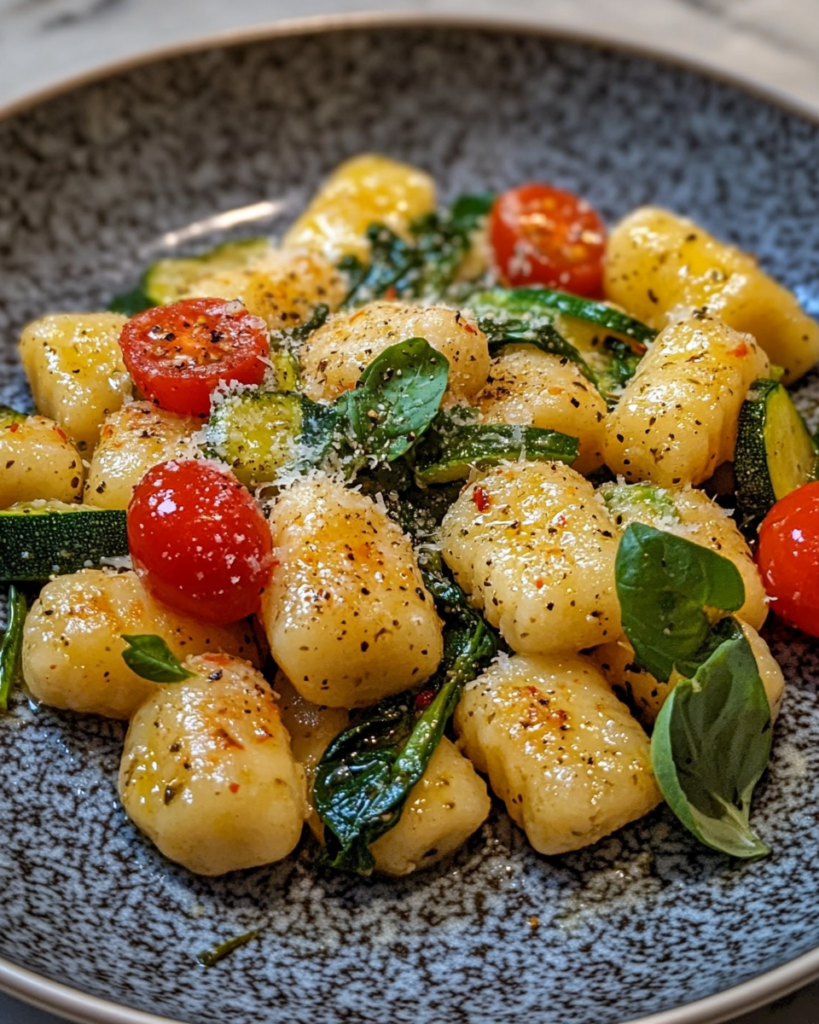
There are certain dishes that instantly create a sense of warmth and comfort the moment they arrive at the table. Delicious Ricotta Gnocchi With Seasonal Vegetables is one of those meals. Imagine a quiet evening at home, the kitchen filled with gentle aromas of sautéed garlic and fresh herbs, a pot of salted water bubbling softly on the stove, and a skillet shimmering with colorful vegetables at their peak. This is the kind of dish that turns an ordinary dinner into a small celebration.
The inspiration behind this recipe comes from the Italian philosophy of simplicity: use fresh ingredients, treat them gently, and let their natural flavors shine. Ricotta gnocchi, lighter and more delicate than traditional potato versions, embody this approach beautifully. Paired with vibrant seasonal vegetables, they create a meal that feels both rustic and refined. Whether served at a cozy family dinner or presented to guests at a gathering, this dish offers light pillowy bliss in every bite.
Why Ricotta Gnocchi Deserve a Place in Your Kitchen
Many home cooks feel intimidated by gnocchi. Traditional potato gnocchi can sometimes become dense or gummy if overworked. Ricotta gnocchi, however, are wonderfully forgiving. They require fewer steps, less preparation time, and deliver consistently tender results when handled gently.
Here is why this recipe stands out:
- The texture is soft, airy, and delicate.
- The preparation is straightforward and beginner-friendly.
- The ingredients are simple and accessible.
- The dish is versatile and adaptable to any season.
- It feels elegant without being complicated.
Ricotta gnocchi rely on whole milk ricotta rather than potatoes as the primary base. Because ricotta already has a smooth texture, there is no need for boiling, peeling, or mashing. The dough comes together quickly and requires minimal flour, which is the secret to that signature pillowy consistency.
When paired with seasonal vegetables, the result is a dish that balances richness with freshness. The gnocchi provide gentle creaminess, while the vegetables add color, texture, and brightness.
Understanding the Magic of Ricotta Gnocchi
To truly master ricotta gnocchi, it helps to understand what makes them so light.
The Role of Ricotta
Ricotta is naturally soft and slightly creamy. Whole milk ricotta is ideal because it contains enough fat to create a tender crumb without becoming heavy. However, ricotta can contain excess moisture, which is why draining is essential. Too much moisture forces you to add extra flour, and extra flour leads to dense gnocchi.
The Importance of Gentle Handling
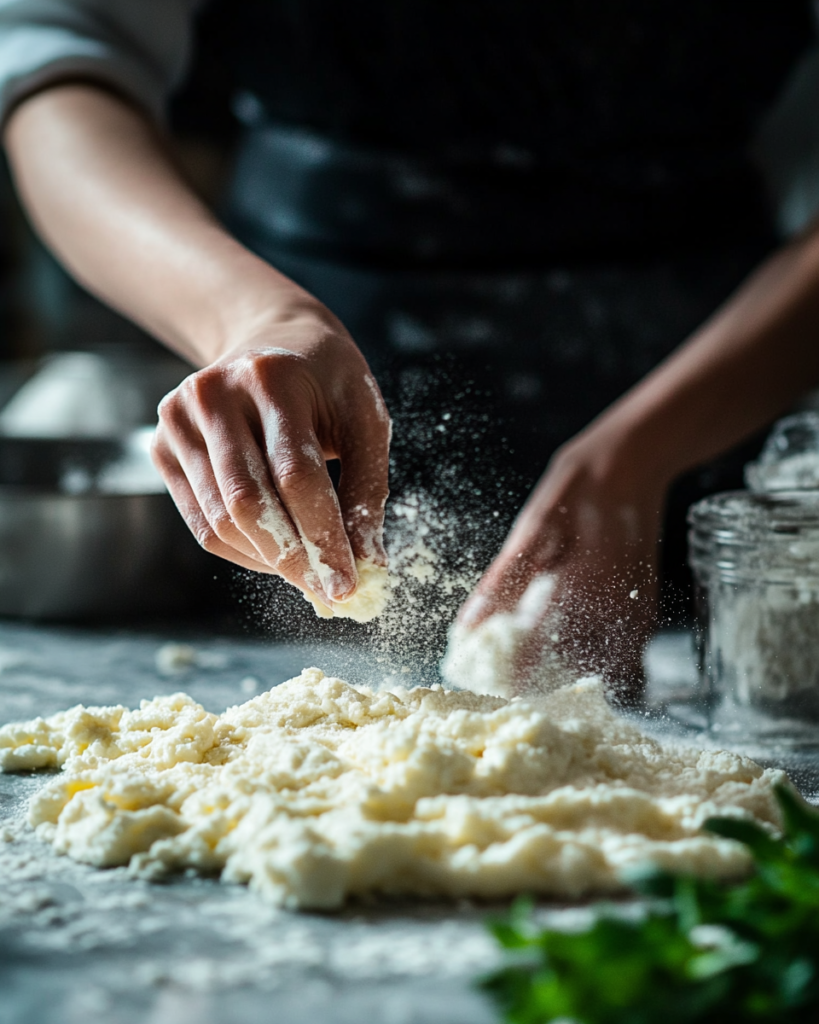
Unlike bread dough, gnocchi dough does not need kneading. In fact, kneading too much activates gluten and creates toughness. The goal is to mix just until combined.
Why Less Flour is Better
Flour provides structure, but too much flour transforms delicate dumplings into chewy pieces. Adding flour gradually ensures you stop at the perfect consistency: soft but workable.
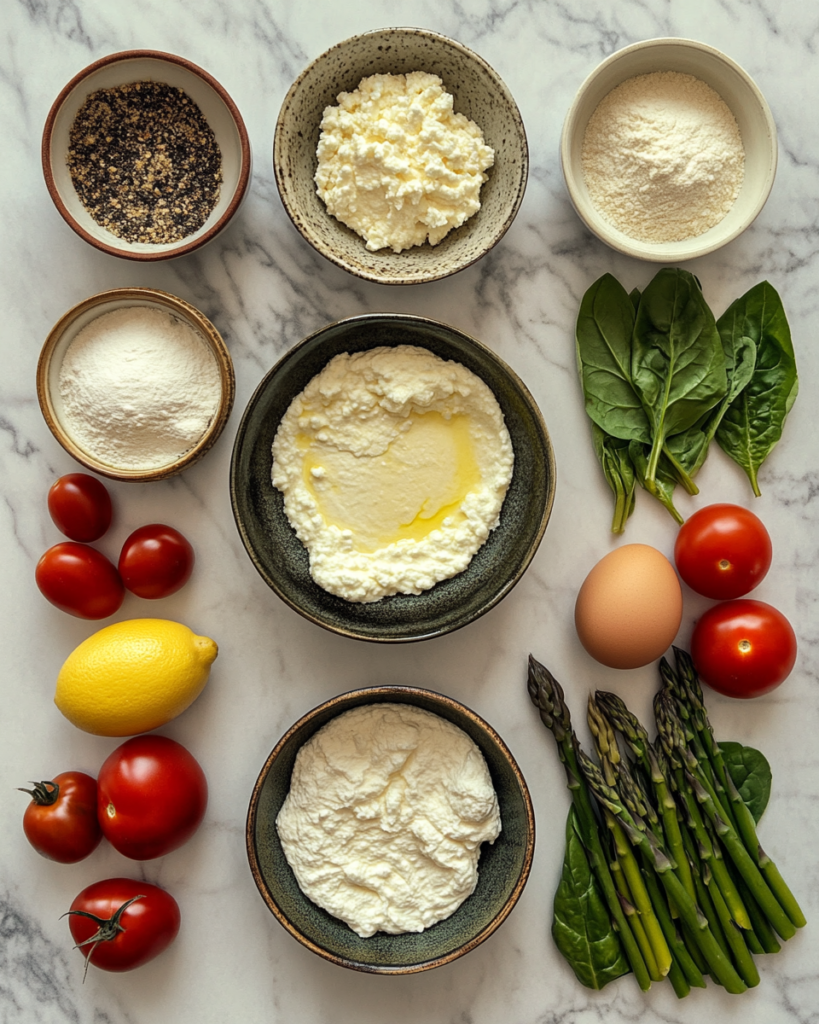
Ingredients
For the Ricotta Gnocchi
- 1 cup (250 g) whole milk ricotta, well-drained
- 1 large egg
- 1 cup (120 g) all-purpose flour, plus extra for dusting
- 1/2 cup (50 g) freshly grated Parmesan cheese
- 1/2 teaspoon fine sea salt
- 1/4 teaspoon freshly ground black pepper
For the Seasonal Vegetables
- 2 tablespoons (30 ml) olive oil
- 1 medium zucchini, diced (about 1 1/2 cups / 180 g)
- 1 cup (150 g) cherry tomatoes, halved
- 1 cup (30 g) fresh spinach leaves
- 1/2 cup (75 g) asparagus pieces
- 2 cloves garlic, minced
- 1/4 teaspoon red pepper flakes (optional)
- 1/4 cup (60 ml) vegetable broth
- 2 tablespoons (15 g) fresh basil, chopped
- Salt and pepper to taste
Step-by-Step Instructions for Perfect Ricotta Gnocchi
Step 1: Drain the Ricotta Properly
Place the ricotta in a fine mesh sieve lined with cheesecloth or a clean kitchen towel. Allow it to drain for at least 30 minutes. If your ricotta is very moist, you can refrigerate it while draining for up to several hours.
This single step makes the biggest difference in texture.
Step 2: Mix the Dough
In a large mixing bowl, combine:
- 1 cup (250 g) drained ricotta
- 1 large egg
- 1/2 cup (50 g) Parmesan cheese
- 1/2 teaspoon salt
- 1/4 teaspoon black pepper
Stir gently until smooth. Gradually add 1 cup (120 g) flour, folding carefully with a spatula. Stop mixing as soon as the dough comes together.
The dough should feel soft and slightly tacky but not overly sticky.
Step 3: Shape the Gnocchi
Lightly flour your work surface. Divide the dough into four equal portions. Roll each portion into a rope about 3/4 inch (2 cm) thick. Cut into 1-inch (2.5 cm) pieces.
For texture, roll each piece gently over the back of a fork to create ridges. These ridges help capture the sauce and vegetable juices.
Step 4: Cook the Gnocchi
Bring a large pot of salted water to a gentle boil. Add gnocchi in batches to avoid overcrowding.
They will sink at first, then float to the surface after about 2–3 minutes. Once floating, allow them to cook for 30 seconds more, then remove with a slotted spoon.
Preparing the Seasonal Vegetables
While the gnocchi cook, prepare the vegetables.
- Heat 2 tablespoons (30 ml) olive oil in a large skillet over medium heat.
- Add 2 cloves minced garlic and sauté for 30 seconds.
- Add diced zucchini and asparagus pieces. Cook for 3–4 minutes.
- Stir in cherry tomatoes and cook until slightly softened.
- Pour in 1/4 cup (60 ml) vegetable broth and simmer briefly.
- Add spinach and allow it to wilt.
- Season with salt, pepper, and red pepper flakes if desired.
Gently fold the cooked gnocchi into the vegetable mixture. Toss carefully to avoid breaking the delicate dumplings. Finish with chopped fresh basil.
Seasonal Adaptations to Enjoy Year-Round
One of the greatest strengths of this recipe is its adaptability.
Spring Variation
- Peas
- Tender asparagus
- Fresh mint
Summer Variation
- Zucchini
- Cherry tomatoes
- Sweet corn
- Basil
Autumn Variation
- Roasted butternut squash
- Mushrooms
- Sage
Winter Variation
- Kale
- Roasted carrots
- Caramelized onions
Each variation maintains the same gnocchi base while highlighting seasonal produce.
Common Mistakes and How to Avoid Them
- Skipping the draining step – leads to sticky dough.
- Adding too much flour – results in dense gnocchi.
- Overmixing – activates gluten and toughens texture.
- Overcrowding the pot – causes uneven cooking.
Gentle handling is the golden rule.
Frequently Asked Questions
1. Can I Make Ricotta Gnocchi in Advance?
Yes, you can absolutely prepare ricotta gnocchi ahead of time. After shaping the gnocchi, place them on a floured baking sheet in a single layer. If you plan to cook them within a few hours, store them in the refrigerator uncovered. This helps prevent condensation, which could make them sticky.
For longer storage, freezing is ideal. Freeze the gnocchi on a tray until solid, then transfer them to an airtight container. They can be cooked directly from frozen without thawing. Simply add an extra minute or two to the cooking time. This makes ricotta gnocchi an excellent make-ahead option for entertaining.
When reheating cooked gnocchi, avoid microwaving, which may make them rubbery. Instead, warm them gently in a skillet with a splash of vegetable broth or olive oil.
2. Why Did My Gnocchi Turn Out Gummy?
Gummy gnocchi are usually the result of too much flour or overworking the dough. Because ricotta already provides structure, flour should be added gradually. The dough should be soft and slightly sticky.
Another possible reason is overcooking. Once gnocchi float, they are nearly done. Leaving them in boiling water too long can cause them to absorb excess moisture and become heavy.
Using low-fat ricotta may also affect texture. Whole milk ricotta produces softer, more tender results.
3. Can I Make This Recipe Gluten-Free?
Yes, this recipe can be adapted to be gluten-free. Substitute the 1 cup (120 g) all-purpose flour with a gluten-free all-purpose blend designed for baking. Add it gradually to reach the right consistency.
Some cooks also use a combination of almond flour and a small amount of cornstarch. Keep in mind that gluten-free dough may be slightly more delicate, so handle it gently during shaping.
Always test-cook one gnocchi first. If it falls apart, add a small amount of additional flour and test again.
4. What Sauce Works Best With Ricotta Gnocchi?
Ricotta gnocchi shine best with light sauces that do not overpower their delicate texture. Olive oil-based vegetable sauces, brown butter with herbs, simple tomato sauces, or light cream sauces work beautifully.
Because the gnocchi are soft and airy, heavy or thick sauces may mask their subtle flavor. This vegetable-forward preparation highlights freshness and balance. A drizzle of olive oil and a sprinkle of Parmesan are often all that is needed.
Serving Suggestions
This dish pairs beautifully with:
- A crisp green salad with lemon vinaigrette
- Roasted vegetables on the side
- Crusty artisan bread
- Freshly grated Parmesan at the table
Serve immediately for the best texture.
Final Thoughts
Delicious Ricotta Gnocchi With Seasonal Vegetables represents the kind of cooking that feels both comforting and refined. It demonstrates that simple ingredients, when handled thoughtfully, can create something truly memorable. The pillowy softness of ricotta gnocchi is unlike any other pasta experience. Each bite feels light yet satisfying, delicate yet flavorful.
What makes this dish particularly special is its versatility. You are not bound to a single vegetable combination or rigid method. Instead, this recipe encourages you to look at what is fresh and abundant. It invites creativity while still delivering consistent results. Whether you are using tender spring asparagus or hearty winter greens, the foundation remains the same: soft gnocchi paired with vibrant produce.
The process itself is rewarding. Mixing the dough, shaping the ropes, cutting small pillows, and watching them float to the surface of gently boiling water connects you to traditional techniques that have been passed down for generations. Yet the simplicity makes it approachable for modern kitchens.
This is also a wonderful recipe for building confidence. If you have hesitated to make gnocchi at home, ricotta gnocchi offer a forgiving starting point. The dough comes together quickly, and even imperfect shapes will taste delicious.
Ultimately, this dish embodies balance. The creamy richness of ricotta is offset by bright vegetables. The softness of the gnocchi contrasts with the slight bite of sautéed zucchini or asparagus. Fresh basil adds fragrance, while Parmesan deepens flavor.
When served warm and fresh from the skillet, it becomes more than dinner. It becomes an experience. A bowl of light pillowy bliss that feels homemade in the very best way.
PrintDelicious Ricotta Gnocchi With Seasonal Vegetables: Light Pillowy Bliss
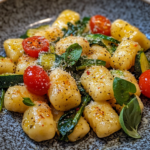
A light and tender ricotta gnocchi dish tossed with vibrant seasonal vegetables for a fresh, comforting, and elegant meal.
- Prep Time: 20 minutes
- Cook Time: 20 minutes
- Total Time: 40 minutes
- Yield: 4–6 servings 1x
Ingredients
1 cup (250 g) whole milk ricotta, well-drained
1 large egg
1 cup (120 g) all-purpose flour, plus extra for dusting
1/2 cup (50 g) freshly grated Parmesan cheese
1/2 teaspoon fine sea salt
1/4 teaspoon freshly ground black pepper
2 tablespoons (30 ml) olive oil
1 medium zucchini, diced (about 1 1/2 cups / 180 g)
1 cup (150 g) cherry tomatoes, halved
1 cup (30 g) fresh spinach leaves
1/2 cup (75 g) asparagus pieces
2 cloves garlic, minced
1/4 teaspoon red pepper flakes (optional)
1/4 cup (60 ml) vegetable broth
2 tablespoons (15 g) fresh basil, chopped
Salt and pepper to taste
Instructions
-
Drain the ricotta thoroughly to remove excess moisture.
-
Mix ricotta, egg, Parmesan, salt, and pepper until smooth.
-
Gently fold in flour until a soft dough forms.
-
Divide dough, roll into ropes, and cut into 1-inch pieces.
-
Boil in salted water until gnocchi float, about 2–3 minutes.
-
Sauté garlic in olive oil over medium heat.
-
Add zucchini and asparagus; cook until tender.
-
Stir in tomatoes and vegetable broth; simmer briefly.
-
Add spinach and cook until wilted.
-
Fold cooked gnocchi into vegetables and toss gently.
-
Finish with fresh basil and serve immediately.